

The Rise of 3D-Printed Miniatures – How It’s Changing Collecting
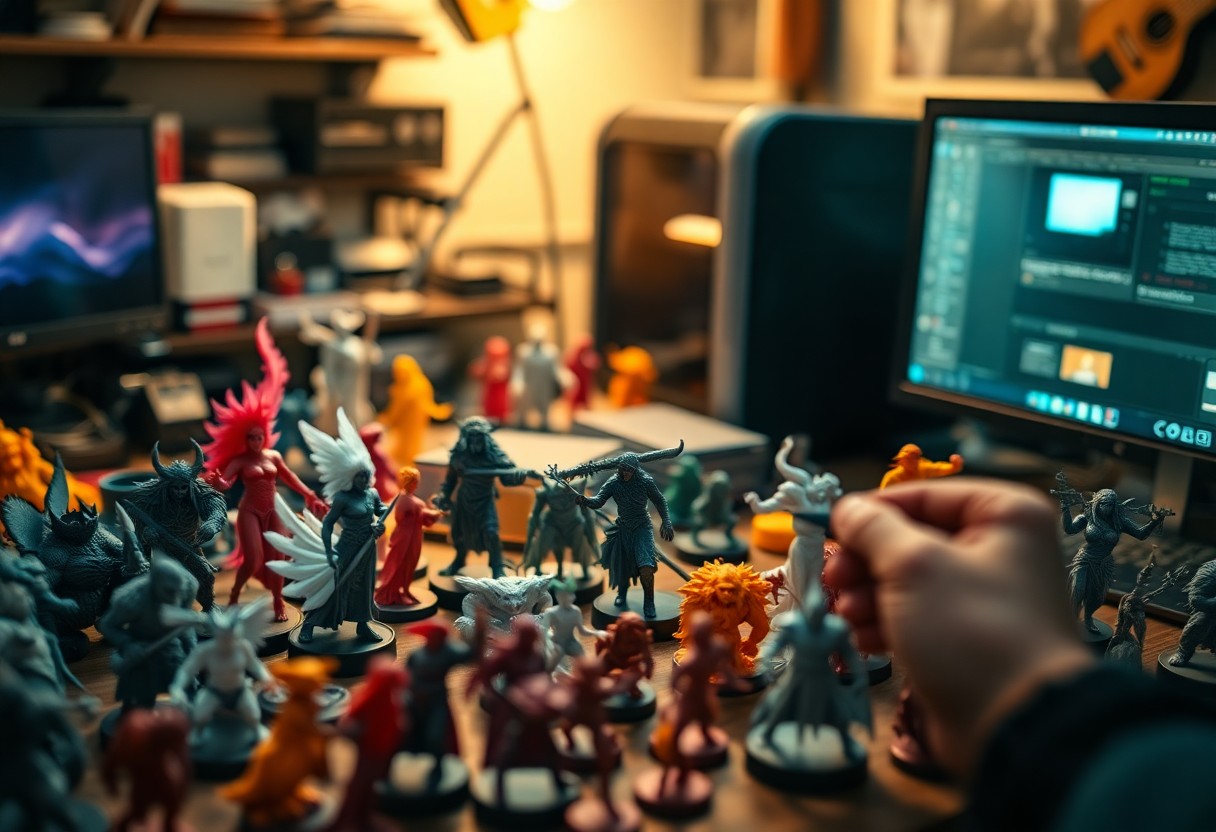
Most collectors today are witnessing a remarkable transformation in how miniatures are created and enjoyed, thanks to the rise of 3D-printing technology. As you explore this innovative wave, you'll find that your options for customizing, scaling, and collecting miniatures have expanded exponentially. 3D-printed miniatures not only offer enhanced personalization but also adhere to various themes, from tabletop games to artistic displays. Advancements are reshaping the world of collecting miniatures, and what could it mean for you as a passionate enthusiast?
Key Takeaways:
- 3D printing technology has democratized the creation of miniatures, allowing both hobbyists and professional designers to produce highly customized and intricate models for various games and collections.
- The accessibility of 3D printing resources and tutorials has enabled collectors to either create their own miniatures or easily access a diverse range of designs online, expanding their creative options significantly.
- The rise of 3D-printed miniatures is fostering a community-driven approach, where collectors share designs, tips, and experiences, enhancing the overall enjoyment and engagement within the collecting hobby.
The Evolution of Miniature Collecting
For many enthusiasts, the journey of miniature collecting is akin to an exploration of artistry and craftsmanship. The practice dates back centuries, evolving from simple hand-carved pieces to intricate models that reflect the imagination of their creators. In the early days of collecting, individuals sought out unique items, often crafted from wood, metal, or clay. Each piece told a story, whether it was a model of a historical figure or a fantastical creature, and collectors prided themselves on the rarity and origin of their miniatures. As time progressed, the introduction of new materials and techniques transformed the landscape of miniature production and collecting, opening up fresh avenues for both creators and collectors.
Traditional methods of miniature production, as you may find fascinating, include techniques such as sculpting, casting, and hand-painting. Artists typically began by sculpting an original model from clay or putty. This method required a high level of skill and artistry, as the delicate details would dictate the final appearance of the miniature. After channeling their vision into the original model, the next step involved creating a mold, usually made from rubber or silicone, to reproduce multiple copies. Each miniature was then carefully painted by hand, ensuring that every piece was unique. This painstaking craftsmanship resulted in limited editions that appealed to collectors, driving a vibrant market for these meticulously produced items.
Throughout this traditional process, the human touch remained integral, with each artist’s personal style unmistakably reflected in their work. As you may appreciate, the emphasis on exclusivity and the uniqueness of each piece fueled the passion of collectors, creating a community that celebrated artistry and the thrill of the hunt. However, traditional methods also posed limitations. The reliance on skilled artisans meant that production capacity was often constrained, making it challenging for collectors to acquire specific pieces consistently. This became an unspoken barrier for many who desired to enter the world of miniature collecting, leading to a growing urge for more accessible options that technology could potentially provide.
The Influence of Technology
Production techniques have undergone a radical transformation due to the influence of technology. With the advent of computer-aided design (CAD) and digital sculpting, artists can now bring their visions to life with unprecedented precision and speed. This digital revolution has made it possible for you as a collector to explore an ever-expanding range of designs, where the limit is often only your imagination. No longer beholden to the physical constraints of traditional materials, creators can manipulate shapes and details in ways that were previously unimaginable. 3D printing, in particular, has emerged as a game-changer, enabling rapid prototyping and lower-cost production without sacrificing quality. This technology democratizes miniature creation, allowing both hobbyists and professional artists to enter the market.
Further amplifying this shift, 3D printing technology not only streamlines the production process but also fosters a unique relationship between designers and collectors. Many creators leverage online platforms to share their designs, inviting you to print your own miniatures at home or purchase pre-made models that reflect your interests. This not only expands the variety of available miniatures but also allows for greater customization. You can now find specialized designs that cater to niche fandoms, from indie games to beloved franchises, giving you more control over your collection than ever before. This technological breakthrough means that your collecting journey can be as diverse and personalized as you wish, enriching the experience in ways that traditional methods simply could not offer.
The Advent of 3D Printing
If you've been following the world of collectibles, you may have noticed a significant shift in how miniature figures are produced and acquired. The development of 3D printing technology has revolutionized the industry, enabling creators and hobbyists alike to produce detailed and personalized miniatures with relative ease. This advancement has not only made it easier for collectors to find that perfect piece for their collection, but it has also democratized the creation process, allowing anyone with the right equipment and software to bring their creative visions to life. As 3D printing continues to evolve, it presents exciting opportunities for both consumers and artisans in the gaming and collectibles market.
Understanding how 3D printing works is fundamental if you want to tap into this remarkable technology. Above all, 3D printing, also known as additive manufacturing, transforms digital designs into physical objects layer by layer. This process begins with creating a 3D model using specialized software or by scanning an existing object. Once you have your model, the 3D printer reads the digital instructions and starts building the model from the ground up. This method allows for remarkable precision, capturing intricate details that would be nearly impossible to achieve with traditional manufacturing techniques.
The versatility of 3D printing technology extends to the variety of materials that can be used in the process. While plastic is commonly utilized for its affordability and ease of use, more advanced printers can work with resin, metal, or even biodegradable materials. This adaptability means you have a wealth of options at your fingertips, ensuring that you can create miniatures that not only look great but also meet specific requirements for durability or aesthetic appeal. As you explore the world of 3D-printed miniatures, you will discover how this technology can cater to your unique preferences and needs.
How 3D Printing Works
Above all, the process of changing a digital model into a tangible object is fascinating. You start from a design file, usually created in software like Blender, AutoCAD, or TinkerCAD. This file serves as a blueprint for your miniature. The first step in 3D printing involves slicing the model into thin horizontal layers using slicing software. The printer reads this information to understand how to construct each layer, starting from the bottom. Once your printer begins to lay down material, it can take anywhere from minutes to several hours or days, depending on the size and complexity of your miniature.
Another significant aspect of how 3D printing works is that you can continuously optimize your designs for better efficiency and detail. You may want to use support structures when printing overhangs or intricate designs, which can be easily removed post-printing. As you become more familiar with the technology, you may find yourself making design choices that enhance the printing process, thereby improving the final products you produce. Understanding these nuances can greatly enhance your ability to create high-quality miniatures tailored to your preferences.
Lastly, while the basic concept of 3D printing is accessible, achieving high-quality results requires practice, experimentation, and sometimes additional resources. As you grow more comfortable with the process, you may find it beneficial to connect with fellow enthusiasts and industry experts via forums and social media. With ample resources available online, you can refine your techniques and even share your models with others, further enriching your 3D printing experience.
Types of 3D Printers Used in Miniatures
| Printer Type | Description |
| FDM Printers | Use thermoplastic filament and melt it layer by layer to create objects. |
| SLA Printers | Utilize liquid resin that is hardened by UV light, providing high precision. |
| SLS Printers | Work with powdered materials that are selectively melted or fused together. |
| MSLA Printers | A variant of SLA with a mask LCD screen used for faster layer curing. |
| Multi-Material Printers | Capable of printing using multiple materials or colors in a single print job. |
By understanding the types of 3D printers used for miniatures, you can better decide which one suits your needs. Each type of printer offers unique advantages that can significantly impact the final appearance and functionality of your miniatures. For instance, if you prioritize intricate details and aesthetics, an SLA printer might be your best pick due to its ability to achieve high-resolution prints. On the other hand, if you’re looking for affordability and ease of use, an FDM printer may be more appropriate.
- FDM printers are widely accessible and ideal for beginners.
- SLA printers produce superior detail, which is ideal for characters and intricate designs.
- SLS printers are great for creating durable miniatures from advanced materials.
- Multi-material printers allow for a range of textures and colors in one print.
- MSLA printers offer a balance of speed and detail that can enhance productivity.
Knowing what you need and understanding the capabilities of different types of 3D printers empowers your journey into miniature creation. Whether you prefer to craft for personal enjoyment or expand your collection with unique pieces, selecting the right printer based on your objectives will make an enormous difference in the quality of the final products. The world of 3D-printed miniatures is dynamic and full of potential, so embrace the technology and make it your own.
Advantages of 3D-Printed Miniatures
Your journey into the world of 3D-printed miniatures brings with it a myriad of advantages that can drastically enhance your collecting experience. One of the most significant benefits you’ll notice is the degree of customization and personalization available to you. Unlike traditional manufacturing methods, 3D printing allows you to create miniatures tailored specifically to your taste. Whether it's a character from your favorite game or a unique creature of your own design, you have the power to decide the smallest details. This level of customization ensures that what you add to your collection is not just an item, but a reflection of your individual identity and preferences as a collector.
Customization and Personalization
The ability to personalize your miniatures further empowers your creativity. You might want to adjust the scale of a figure, alter its pose, or even incorporate specific elements that resonate with your interests. Modern 3D modeling software provides you with user-friendly tools that allow you to modify existing designs or start from scratch, creating something entirely original. This flexibility eliminates the limitations that come with mass-produced miniatures and enables you to express your vision fully. Furthermore, you can experiment with different styles, colors, and materials, ensuring that every piece in your collection is uniquely yours.
Additionally, with 3D printing, you can easily test out various concepts before finalizing your miniature design. This process encourages a hands-on approach to creation, where you can iterate quickly without the hefty costs typically associated with revisions in traditional manufacturing. As a collector, engaging in this creative process can be both satisfying and rewarding, granting you ownership and pride over your custom creations. This interactive element can transform your collecting hobby from a passive activity into a fulfilling, artistic practice that evolves with your personal preferences.
Cost Efficiency
Along with customization and personalization, 3D-printed miniatures also present an excellent opportunity for cost efficiency. Traditional miniatures can often come with high production costs, impacting the retail price tag significantly. In contrast, 3D printing allows you to produce miniatures at a fraction of the cost. As you may be aware, once you have access to a 3D printer, the materials needed for printing, such as filament or resin, are generally more affordable than sourcing fully manufactured models. This can dramatically reduce the overall expense involved in expanding your collection, allowing you to allocate your budget toward multiple pieces rather than spending a large sum on a few high-end models.
This cost-effectiveness extends to the experimental aspect of your collection too. Since the barrier to creating prototypes is minimal, you can explore different designs, sizes, and styles without worrying about the financial implications often associated with pre-made miniatures. You can also utilize online communities and shared resources that provide free or low-cost download options for various designs, making it easy to explore new options without a significant investment. By leveraging these advantages, you can cultivate a diverse and extensive collection while keeping a close eye on your budget.
The Impact on the Collecting Community
To understand the impact of 3D-printed miniatures on the collecting community, it's important to first recognize how this technology has fundamentally altered traditional practices of acquisition and ownership. In the past, collectors had to rely on mass-produced items, which often resulted in limited availability and varying price points. However, with the advent of 3D printing, you find yourself facing an unprecedented opportunity to easily access unique designs, allowing you to personalize your collection significantly. Now, you can create or customize miniatures tailored specifically to your interests or projects, making collecting not just an act of ownership but also an expression of creativity.
As this technology has matured, you may notice shifting market dynamics. One of the most notable changes is the rise of online platforms that facilitate the sale and distribution of 3D printable files. This system allows creators to sell their designs directly to collectors, cutting out traditional middlemen and reducing prices overall. As a savvy collector, you can explore a range of niche designs that were previously unattainable or too expensive in the conventional market. Coupled with the affordability of 3D printers, you are now empowered to experiment with different styles and brands without breaking the bank. The result is a more vibrant and diverse market, where creativity thrives and barriers to entry dissolve.
Equally significant is the community aspect fostered by 3D printing within the collector’s domain. Instead of merely acquiring miniatures to display, you may now engage actively with a community of fellow enthusiasts who share your passion for customization and innovation. Online forums and social media platforms allow for the exchange of ideas, designs, and techniques, enabling you to learn from the experiences of others. With so many willing to assist and share their knowledge, the sharing economy within the 3D-printed miniature community has never been stronger. This communal spirit enriches the collecting experience and encourages collaboration in ways that traditional collecting often could not.
Changing Market Dynamics
One of the significant shifts you are likely to observe within the collecting landscape is how market dynamics are changing due to 3D printing. Traditionally, you would have depended on established game and miniatures companies for product releases, often waiting for months for new models to hit the shelves. However, with the ability to create or obtain files for printing on demand, this waiting period has vanished. The democratization of miniature creation means the latest and greatest designs can be accessible to you as they are created, with far less reliance on supply chains or retail schedules.
Because of this shift, you may find that your purchasing power has increased substantially. What would have been significant investments for new models can now be replaced with relatively low-cost investments in design files and your own 3D printer. This change enables you to pursue collectibles that fit your niche interests without being constrained by what mainstream manufacturers choose to produce. The variety and frequency of releases are now at your fingertips, allowing you to build a multi-faceted collection that truly reflects your tastes. Furthermore, you are no longer just a passive consumer; you can also act as a creator by contributing your designs to the community, tapping into a mutually beneficial marketplace.
Lastly, the rise of 3D printing has introduced a concept of 'limited editions' in a new light. With the ability to print virtually any design, you could create unique models that only you own, blurring the lines between mass production and bespoke artistry. Collecting now becomes not just about owning items, but also about the experience surrounding each piece. You can explore different techniques, materials, and designs, resulting in a more engaging and fulfilling collection journey that aligns with your personal style and interests.
New Types of Collectors
One striking aspect of the 3D printing trend within the collecting community is the emergence of new types of collectors. You may find yourself part of a growing demographic of ‘creative collectors’ who thrive on the ability to invent, adapt, and engineer their collectibles. This allows for a shift from purely passive collection to active participation in the creation process. For instance, you might engage more deeply with the design aspect, learning modeling software or customizing existing files to better suit your vision. It's breaking the mold of traditional collecting by enabling you to shape the objects you own actively.
This evolution brings about an exciting challenge and opportunity; you are no longer just curating a collection, but building a community around shared interests and skills. There are various ways that you may get involved:
- Joining community forums to share your designs and techniques
- Attending workshops to learn more about 3D printing technologies
- Collaborating with other collectors to co-create new designs
- Participating in competitions to showcase your custom miniatures
- Contributing to open-source design projects that benefit the community
Knowing the landscape has shifted in this way allows you to adapt and thrive in this new collecting whirlwind. You are more equipped than ever to explore your interests and connect with other passionate collectors.
| Category | Description |
| Creative Collectors | Those who embrace designing miniatures to enhance their collection. |
| Niche Enthusiasts | Users focused on specific themes or genres. |
| Collaborators | Collectors who engage with other creators for joint projects. |
| Workshops Goers | Individuals interested in learning more about 3D printing technologies. |
| Community Builders | Collectors focused on contributing to a greater collaborative effort. |
The realm of collecting has transformed with the rise of 3D-printed miniatures, enriching your experience both creatively and socially. You now have the chance to become part of a vibrant community and engage in activities that extend beyond mere collection. Embrace the new age of collectibles, where your creativity defines your collection.
Case Studies of Successful 3D-Printed Miniatures
All around the world, the miniature industry is experiencing a dramatic transformation due to the rise of 3D printing technology. This evolution is exemplified by various successful case studies that highlight how both indie creators and established companies have embraced this innovation to offer unique products to collectors. If you’re looking to understand this phenomenon better, consider the following compelling examples:
- Hero Forge: Launched in 2014, Hero Forge enables users to design their custom tabletop miniatures online. As of 2023, it boasts over 1 million unique miniatures created, showcasing the demand for personalized collectibles.
- 3D Print Miniatures: This Kickstarter project raised over $150,000 in funding in 2021, offering a variety of intricate fantasy models and highlighting the appetite for unique, quality designs among collectors.
- Digi-Kits: With success in both online sales and conventions, Digi-Kits recorded a sales increase of over 250% within its first year of launching their 3D printing service specifically tailored for RPG players.
- PrintABuild: This venture aims at providing pre-designed kits for miniatures, with a user base that has grown to 25,000 active customers since its inception, demonstrating a strong market presence.
- Archvillain Games: The company leveraged 3D printing technology to create high-quality, dynamic miniatures for gamers, seeing a 300% increase in sales post-adoption of 3D printing strategies.
In this rapidly evolving market, independent creators have also found remarkable success. One such example is the story of a small artist who turned to 3D printing during the pandemic. By launching a custom miniatures website and utilizing platforms such as Patreon, they were able to grow their monthly income from $500 to over $3,000. This success speaks volumes about the potential for creatives to monetize their designs and craft unique offerings. Indie developers can leverage 3D printing to produce niche products that might otherwise not find traction in the mass market. A notable success story is that of an indie developer whose campaign on Kickstarter for a series of alien miniatures garnered over 400% of their funding goal due to the quality and uniqueness of their designs.
Moreover, you’ll notice that many indie creators are tapping into community-driven platforms, as they often yield strong support and rapid financial backing. They’ve developed not only unique characters but entire worlds tailored for tabletop RPGs. By engaging with your audience on social media platforms and utilizing crowdfunding, budding creators can validate their ideas and expand their reach. The collective enthusiasm within the community instills a sense of belonging among fans, leading to recurring backers in future investment rounds. The outcome of these cases can inspire you, should you decide to venture into 3D-printed miniatures yourself. You can read more about the broader implications of this industry shift in detail at How 3D Printing is Upending the Miniature Industry.
Established Companies Adapting
Against the backdrop of this rapidly changing landscape, established companies have also begun adapting their strategies to incorporate 3D printing technology. The likes of Games Workshop and WizKids, which have long dominated the market, are starting to recognize the value in producing limited-run models or exclusive releases through 3D printing. This not only helps them lower production costs and waste but also allows flexibility in design that has traditionally been difficult with conventional manufacturing. Here, you can see the melding of the old and new, combining decades of artistry and quality with modern technology.
Major players like Hasbro have begun to explore 3D printed miniatures as part of their board game offerings. Research indicates that the introduction of custom miniatures is appealing to younger consumers who look for ways to personalize gameplay. By leveraging technology, these companies can cater to the tastes of an evolving consumer base while maintaining their traditional production lines. This balance can lead to successful launches that capture your attention and interest, directly connecting with your gaming preferences. With many established brands hooking up with creators to expand their product lines, you’ll find an increasingly diverse offering on the market.
At the heart of this shift, established companies are investing in technologies to give you the best possible user experience. Implementing customization options or limited-time offers through 3D printing resonates with a sense of exclusivity you may seek as a collector. This approach can not only enhance engagement with current products but can also open avenues for collaborations and partnerships that lead to a vibrant marketplace with fresh ideas. As the landscape continues to change, understanding how these companies adapt will be key in considering future purchases or investments in 3D-printed miniatures.
Challenges Faced by 3D-Printed Miniatures
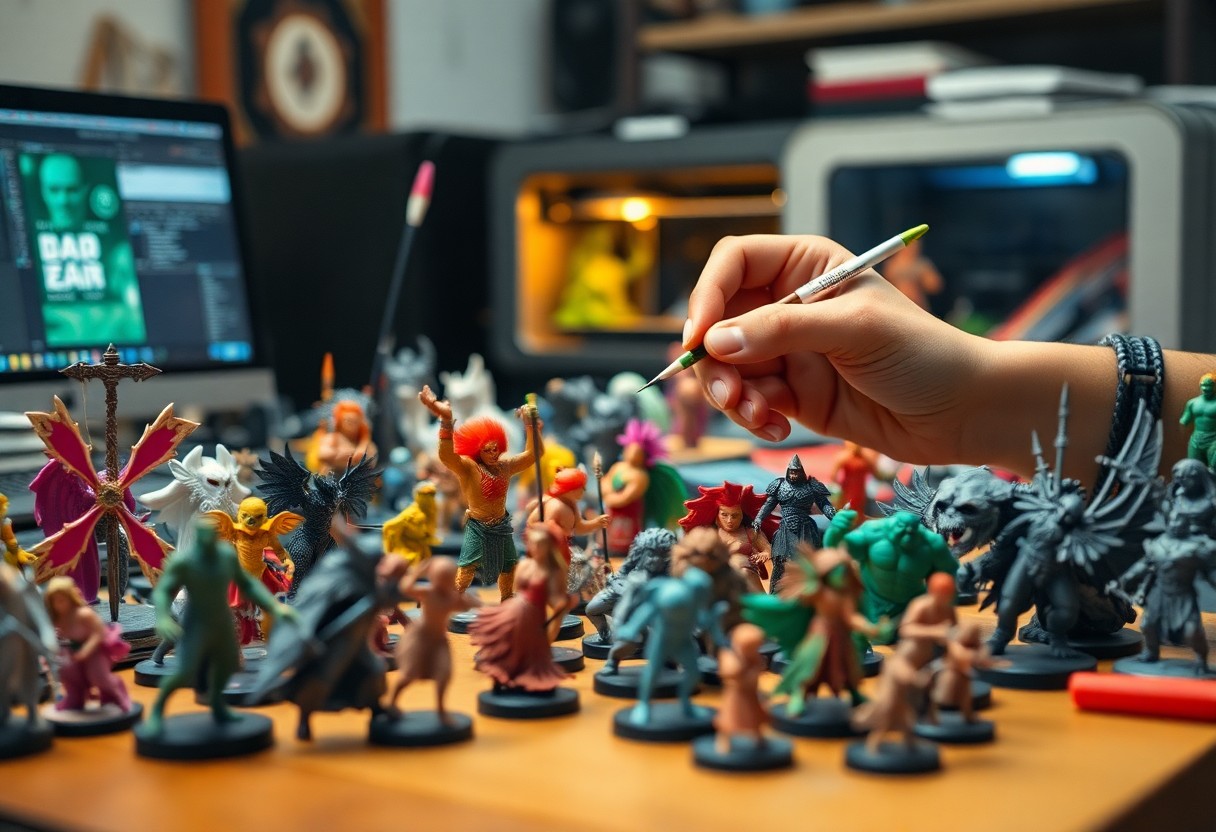
Despite the exciting potential of 3D-printed miniatures, the industry faces several challenges that could impact your collecting experience. As the technology continues to evolve and gain traction, the quality of the printed products can vary significantly from one printer to another, and even from one batch to the next. This inconsistency presents a difficulty for collectors seeking reliable and high-quality miniatures to enhance their collections. You may find that the level of detail and finish you expect isn't always met, leading to frustration and disappointment when you receive your items. Quality control measures and industry standards are still in their infancy, and this variability can complicate your decision-making when selecting miniatures to purchase or print for your personal collection.
Quality Control and Standards
Miniatures created through 3D printing often lack the stringent quality control procedures that traditional manufacturing processes have developed over the years. This results in products that may not meet your expectations in terms of detail, durability, and overall aesthetics. When you decide to invest in 3D-printed miniatures, you may find it challenging to assess the quality until the product arrives. Without standardized procedures in place, you might experience an uphill battle trying to navigate the various options on the market. Additionally, the materials used in 3D printing can greatly influence the output; not all printers use the same filament or resin, and this can lead to significant differences in both look and feel.
Moreover, you may encounter difficulties in finding sources that offer consistent quality. While advances in technology have allowed for better 3D printing capabilities, not all creators are adhering to the same production standards. Emerging designers may produce innovative and unique miniatures but may not yet possess the expertise to create a polished final product that meets your expectations. You could benefit from keeping an eye on established creators known for their quality and reliability as you navigate through the plethora of 3D-printed miniatures available to you.
Intellectual Property Concerns
Quality of 3D-printed miniatures is not the only concern; the issue of intellectual property rights significantly influences the landscape of this niche market. As a collector, you should recognize that many designs you might want to print or purchase are based on established franchises or characters that are protected by copyright and trademark laws. This complicates things, as creators may find themselves in legal hot water if they replicate or heavily reference copyrighted material in their 3D-printed designs. You might be tempted to grab a replica of your favorite character, but it’s important to be aware that some designs may not be legally distributed or sold.
Considering these intellectual property issues is necessary for you as a collector. As enthusiasm for 3D printing grows, the conversation surrounding copyright and patents will inevitably become more prominent. Many artists and designers strive to create unique and original pieces to avoid infringing on established works; however, navigating this landscape can be confusing for buyers like yourself. The rising tide of new creators offers exciting possibilities, but ensures you remain vigilant about the items you choose to add to your collection. The repercussions of purchasing or printing items that violate intellectual property rights could jeopardize the larger community of creators and collectors you are a part of.
3D-Printed Miniatures Are Redefining What Collecting Can Be
Upon reflecting on the rise of 3D-printed miniatures, it's evident that this technological advancement significantly alters how you approach collecting. The rise of 3D printing has democratized the creation and accessibility of miniatures, meaning that you can easily bring your unique visions to life or acquire models that might have once been out of reach. No longer are you confined to what's available on store shelves or from specific manufacturers; instead, you have the power to customize designs to your liking, transforming your collection into a true reflection of your personal tastes and interests. The ability to personalize your miniatures not only enhances your enjoyment of the hobby but also fosters a sense of connection to the pieces you own.
More Access Means More Possibility
Furthermore, the community aspect of 3D-printed miniatures cannot be understated. As you explore this new world, you will find vibrant online platforms where you can share your designs, get inspiration from others, and even collaborate on projects. Opening dialog with fellow collectors and creators enhances your experience, allowing you to explore different painting techniques, gaming strategies, or display options. These interactions not only enrich your knowledge and skills but also contribute to a larger dialogue about the future of collecting. The welcoming nature of these communities makes it easy for newcomers to get involved and feel supported as they explore the possibilities of 3D printing.
A New Level of Freedom for Collectors
Lastly, as you embrace the rise of 3D-printed miniatures, you are participating in a revolution that is not just changing how you collect but also how you express your creativity and engage with the broader collecting community. The combination of accessibility, customization, and collaborative potential empowers you to redefine your experience with miniatures. You have the opportunity to lead your collection into uncharted territories, making it as expansive and personalized as your imagination allows. As technology continues to evolve, one can only speculate about the new avenues and experiences that await you in this exciting landscape of 3D-printed miniatures.
More of What Drives the Hobby Forward

Choosing the Right Miniature Scale Based on Your Collecting Interests
Every miniature collection tells a different story, and scale shapes how that story comes together. The right choice can influence detail, display impact, storage, and how naturally each piece fits...
Read more Choosing the Right Miniature Scale Based on Your Collecting Interests
Vintage Toys vs Modern Collectibles: What Buyers Value Most
Nostalgia, scarcity, presentation, and buyer psychology all shape the divide between vintage toys and modern collectibles. Some pieces endure through history, while others gain momentum through des...
Read more Vintage Toys vs Modern Collectibles: What Buyers Value Most
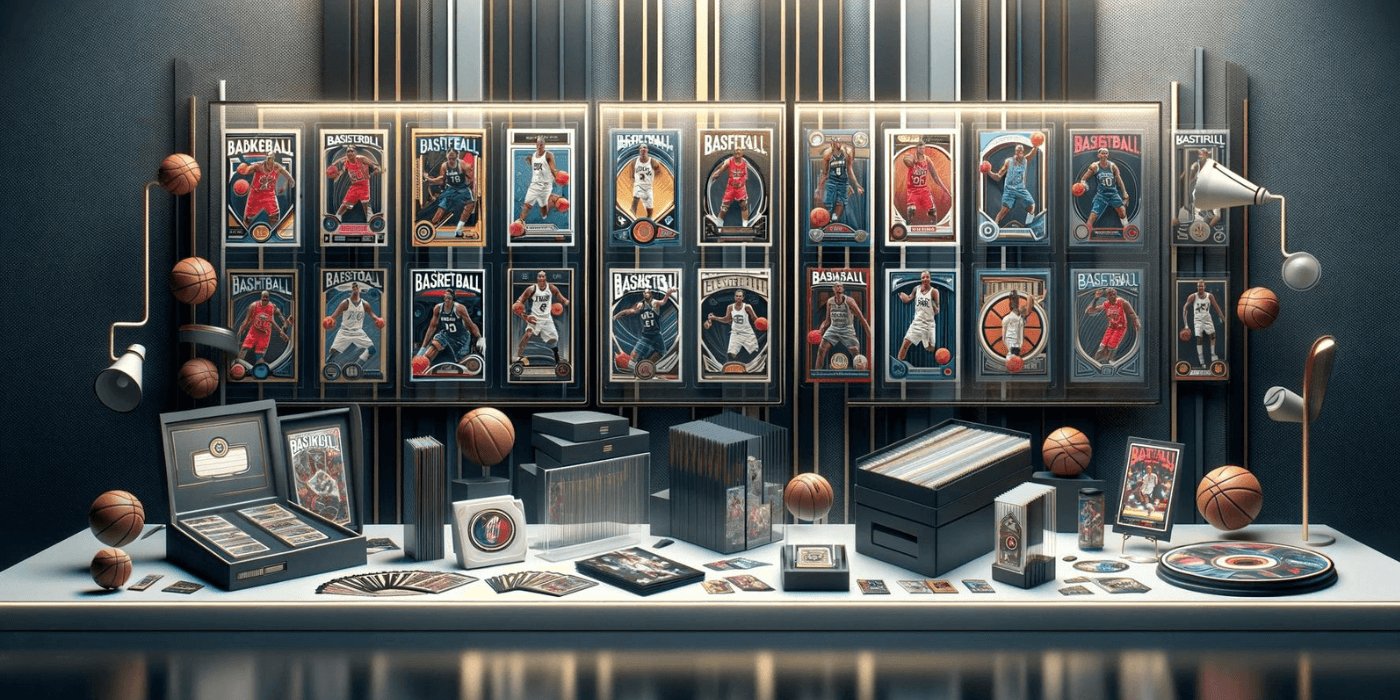
1991-92 Hoops USA Basketball Card Pack Break: A Journey Through Dream Team Nostalgia
The 1991–92 Hoops USA Basketball set captures the legacy of the Dream Team through a roster filled with legends like Michael Jordan, Magic Johnson, and Larry Bird. This release stands out for its h...
Read more 1991-92 Hoops USA Basketball Card Pack Break: A Journey Through Dream Team Nostalgia
Additional Pulls and Pack Highlights

The Panini Select Basketball Monster Box – What This Hybrid Release Offers
The 2021-22 and 2022-23 Panini Select Basketball Monster Box offers a mixed retail break with Select, Prizm, and Illusions packs from two NBA seasons. This breakdown covers the box format, standout...
Read more The Panini Select Basketball Monster Box – What This Hybrid Release Offers1991-92 Hoops USA Basketball Card Pack Break: A Journey Through Dream Team Nostalgia
The 1991–92 Hoops USA Basketball set captures the legacy of the Dream Team through a roster filled with legends like Michael Jordan, Magic Johnson, and Larry Bird. This release stands out for its h...
Read more 1991-92 Hoops USA Basketball Card Pack Break: A Journey Through Dream Team NostalgiaWe collaborate with reputable brands to bring you exclusive deals and high-quality collectibles. Explore our affiliate partners below and find the best products to expand your collection.
Trusted Affiliate Partners





Leave a comment
This site is protected by hCaptcha and the hCaptcha Privacy Policy and Terms of Service apply.